
Whenever the weather turns our yards white, we can count on certain winter birds staying home with us.
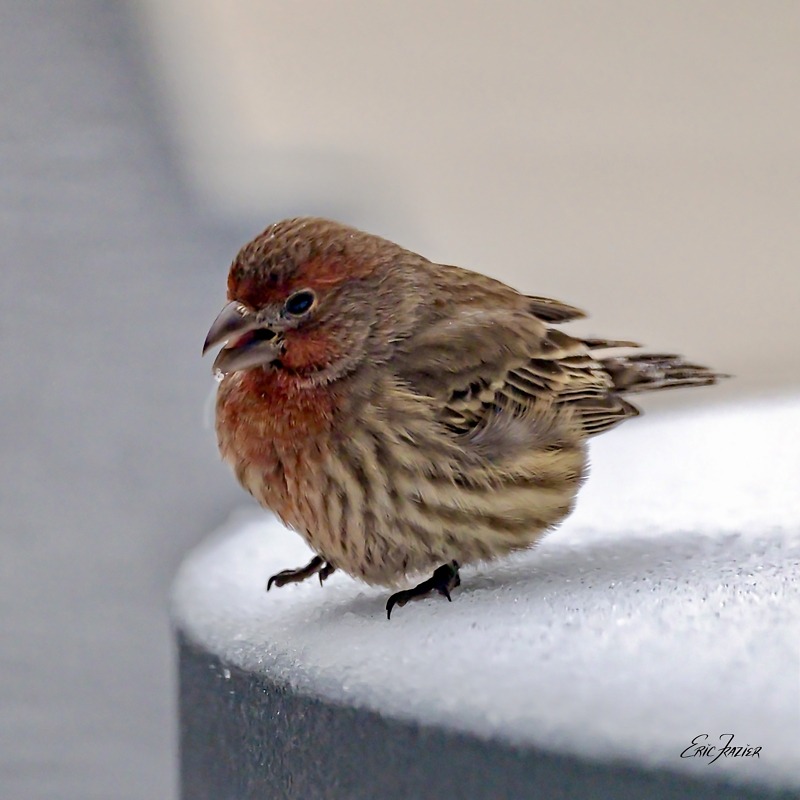
Our mainstays in the Raleigh-Durham area are Dark-eyed Juncos, House Finches, Northern Cardinals, Eastern Bluebirds, Mourning Doves, and American Robins.
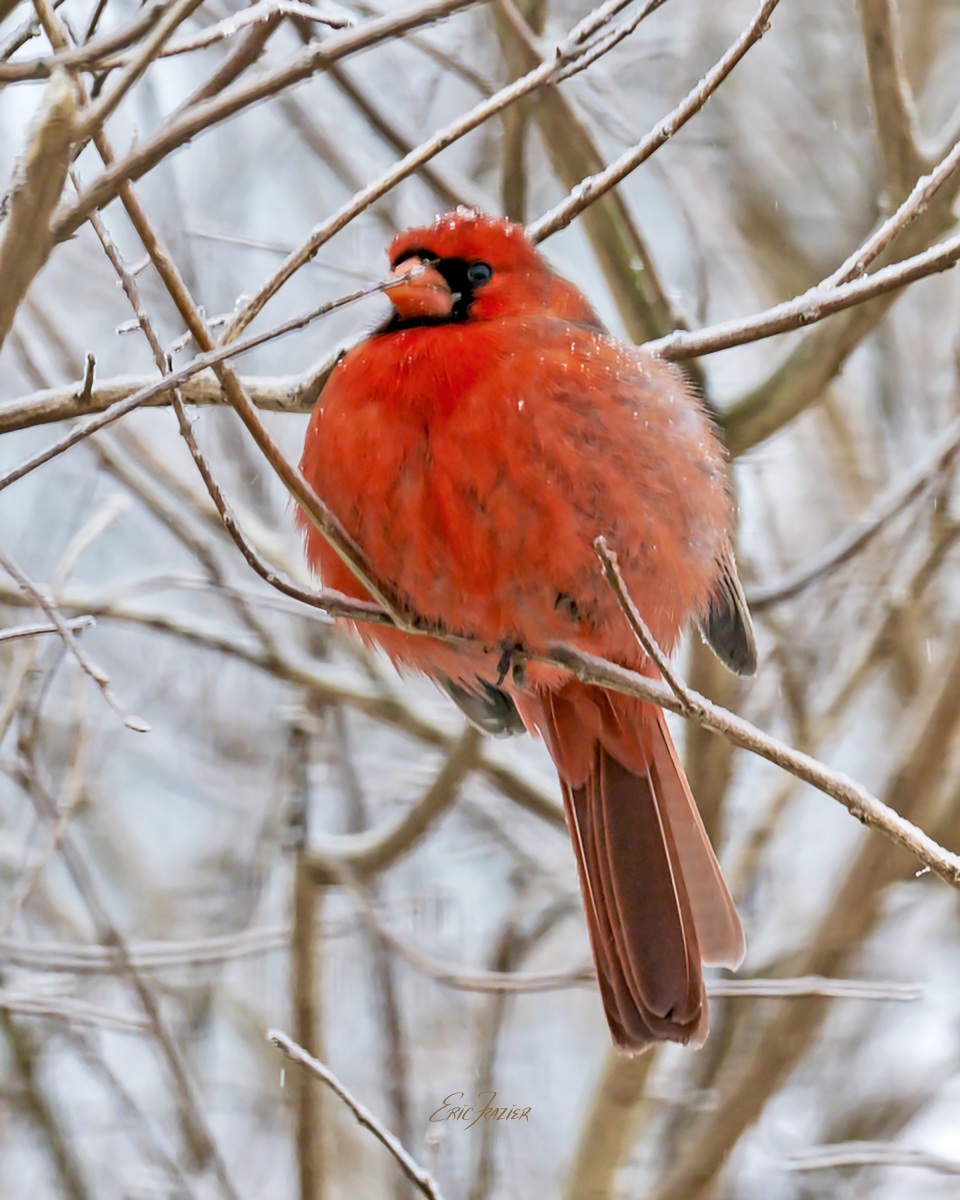
Captured January 24, 2026, by Eric F. Frazier.
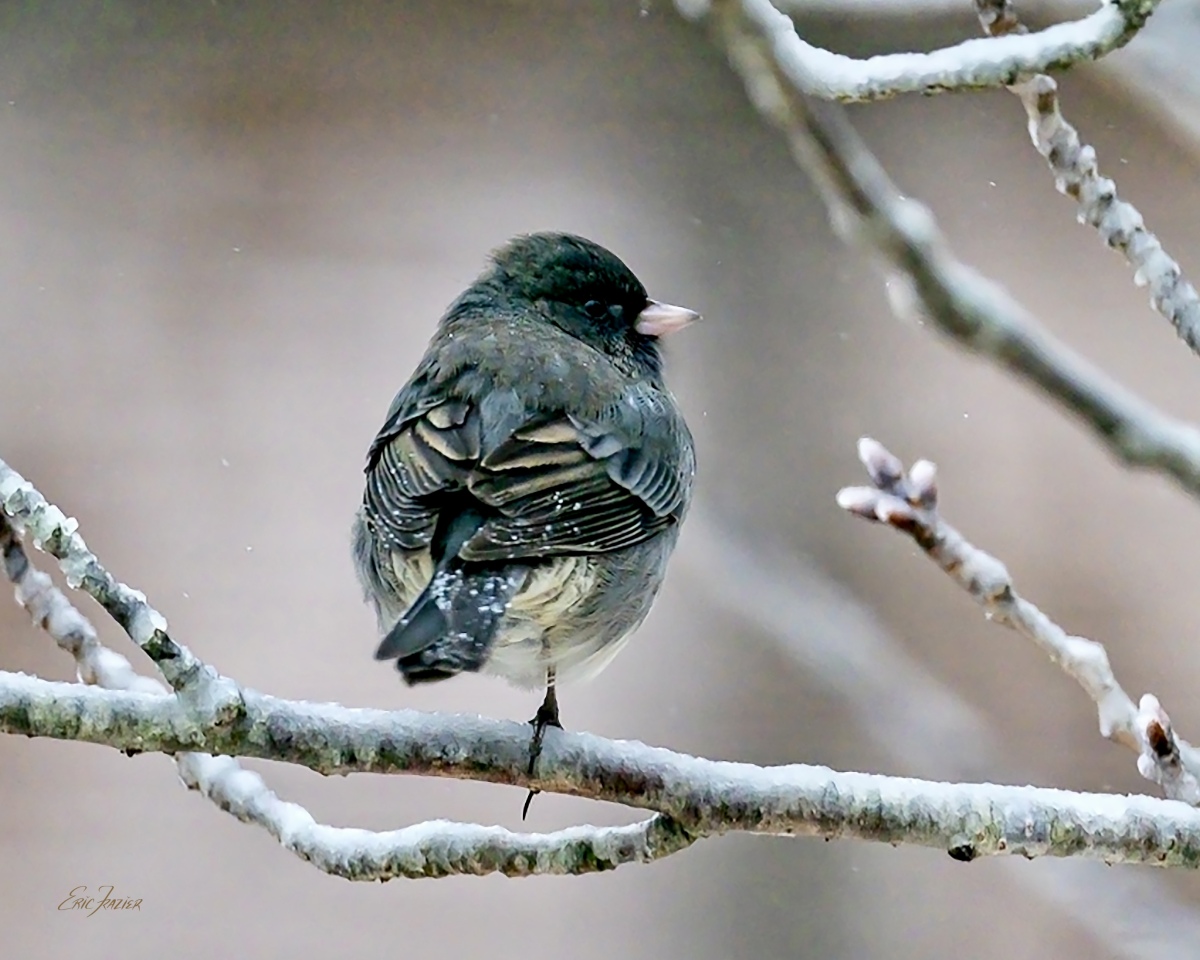
Captured January 24, 2026, by Eric F. Frazier.
We sometimes see others moving about in the wintry mix, including Myrtle Warblers, White-throated Sparrows, Northern Flickers and Brown Thrashers.
This year, a Red-winged Blackbird made a rare feeder appearance, and I spotted it under some bushes cracking open a seed. A newcomer to icy feeders here are European Starlings, whose numbers locally have soared the past few years.
Other birds commonly seen here in winter may be out and about somewhere, but I don’t recall ever seeing crows, hawks, or vultures from my windows during freezing precipitation.
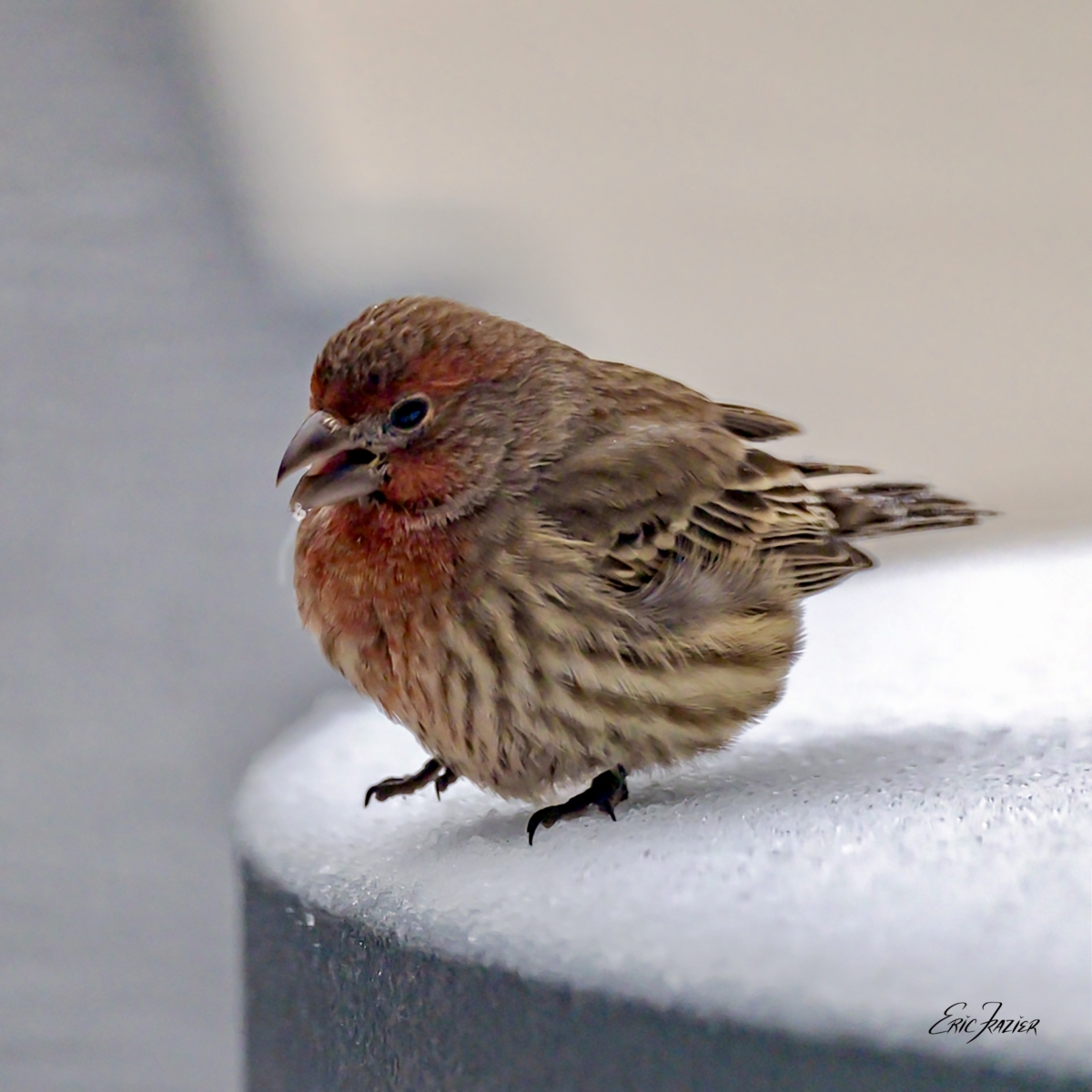
Captured January 24, 2026, by Eric F. Frazier.
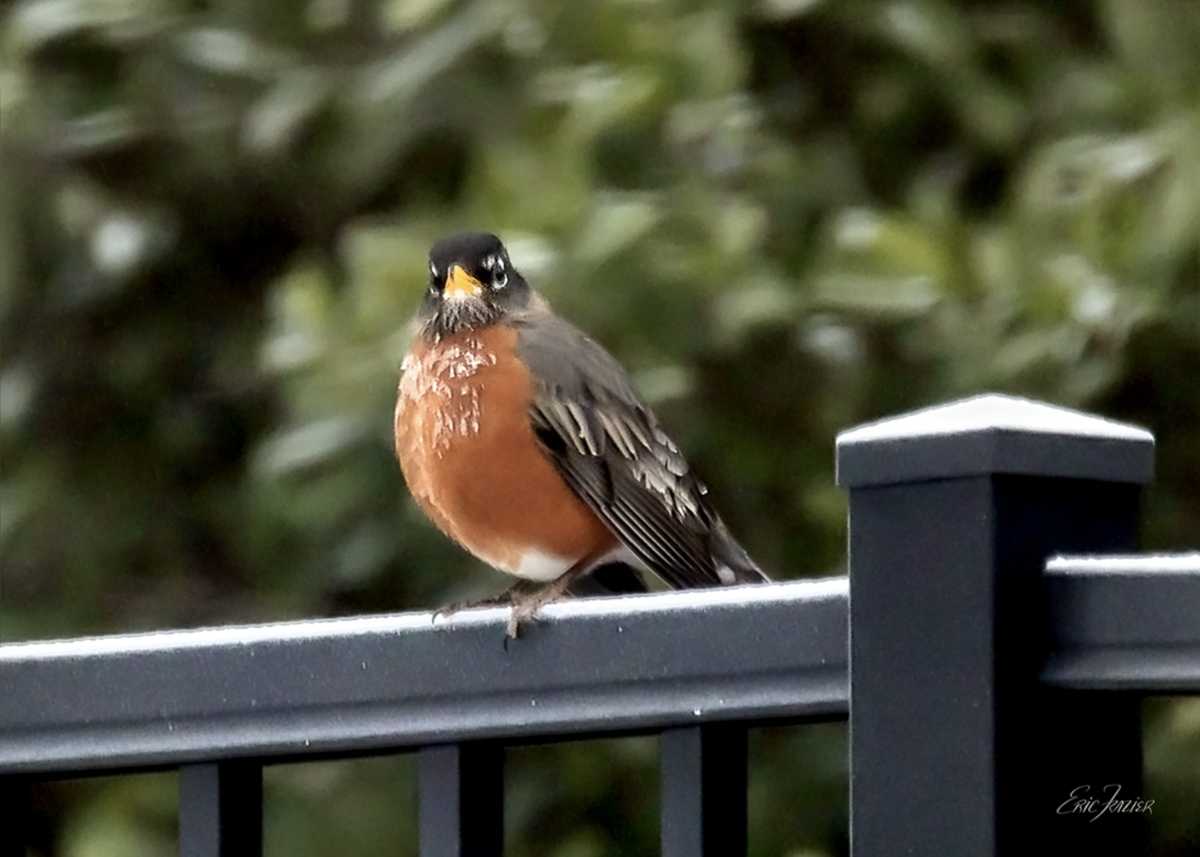
Captured January 24, 2026, by Eric F. Frazier.
Winter Birds Beyond Our Yard
After our first winter blast, I visited two of our community ponds. Both were almost frozen over. I saw none of the usual ducks or herons. A Black Vulture sat on a fence by the pond staring at the ice. I approached slowly.
When a dog walker came by with her lively pup, the Black Vulture just sat and stared. I wondered if the bird could be tired or weak from hunger. Before I got closer, the vulture flew up to perch on a lamppost. As I photographed him up there, I noticed two Turkey Vultures swirling above.
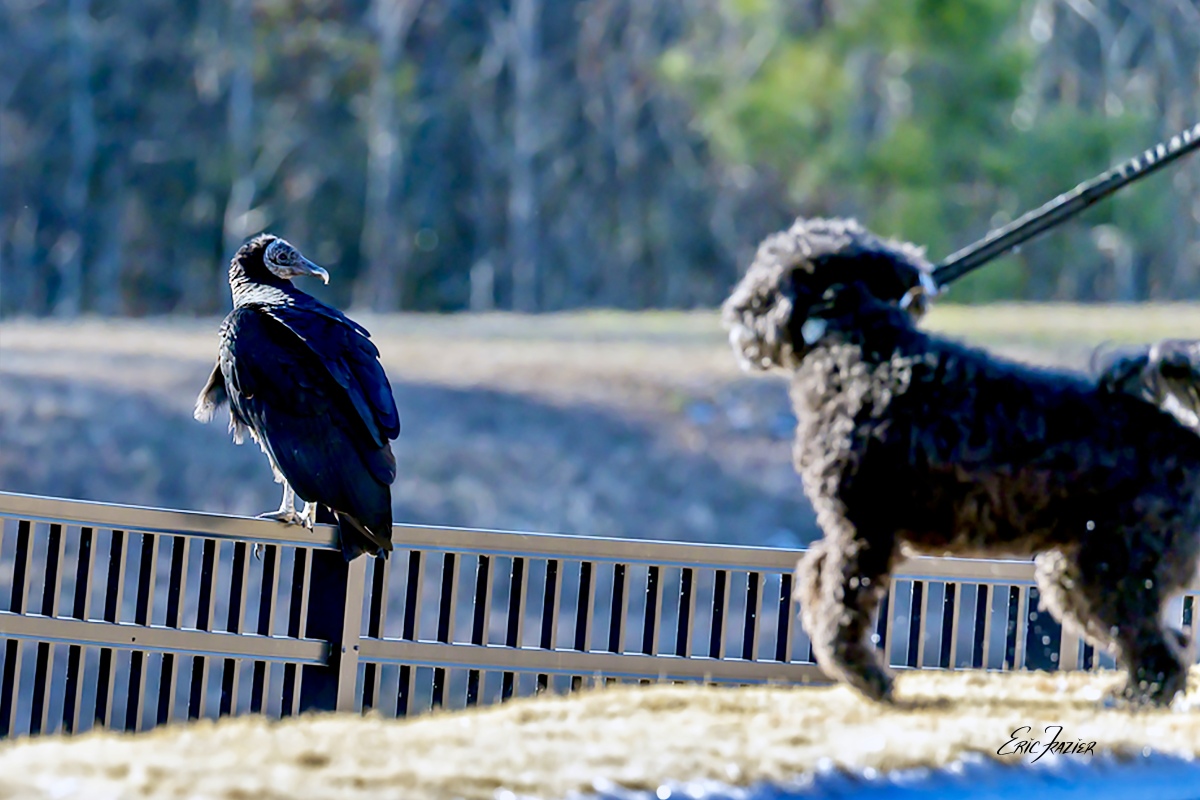
Captured January 26, 2026, by Eric F. Frazier.
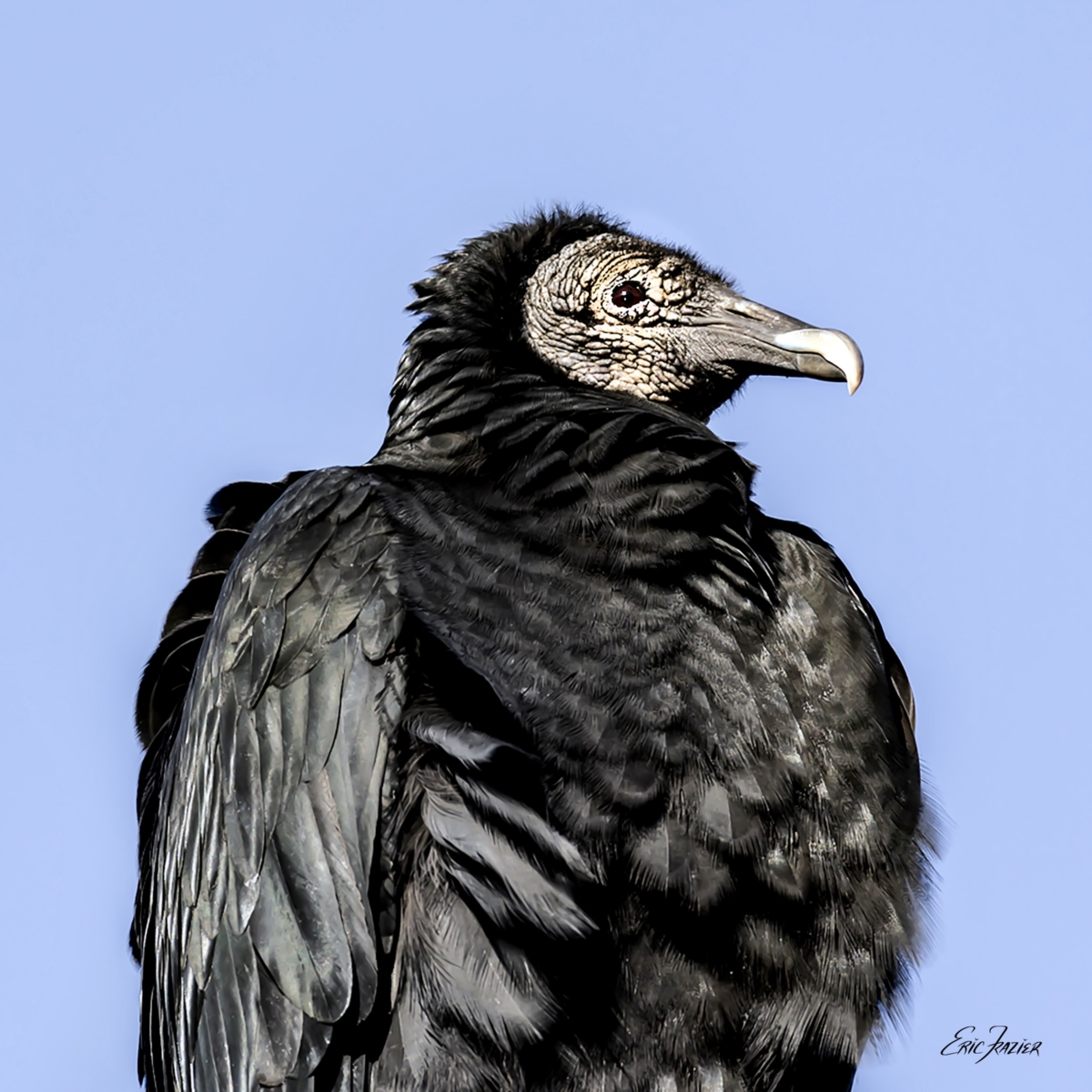
Captured January 26, 2026, by Eric F. Frazier.
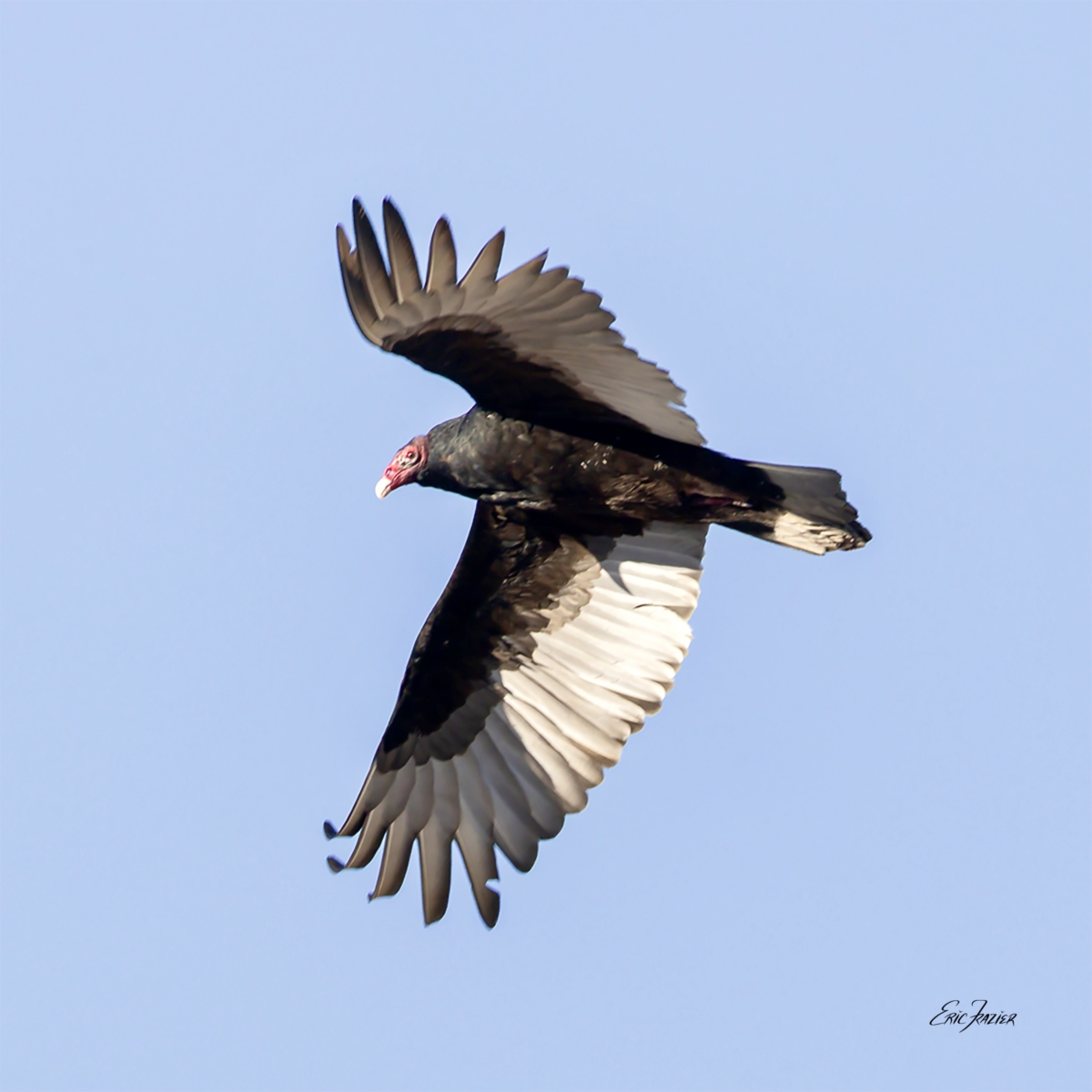
Captured January 26, 2026, by Eric F. Frazier.
Black and Turkey vultures sometimes fly together, and I’ve read that Turkey Vultures have superior smell, while Black Vultures have superior vision. Could the low temps be keeping their usual meals frozen, emitting no scents to guide them? Maybe the pair overhead hoped the vulture below would see something they missed.
Were they hungry enough to hunt for prey? (I once photographed a vulture with a live vole it caught.) Or perhaps any deep freeze brings an end for some pond wildlife, and these birds were simply staring into the refrigerator.
My Takeaway
The common denominator in these different bird behaviors—during winter storms and all times, really—is where they find their food.
Birds whose diets accommodate what humans put in feeders have a clear advantage when the ice comes. Other species face leaner times until the thaw.